Oct 2025: Presentation by Olga Povoroznyuk and Peter Schweitzer in Anchorage, Alaska
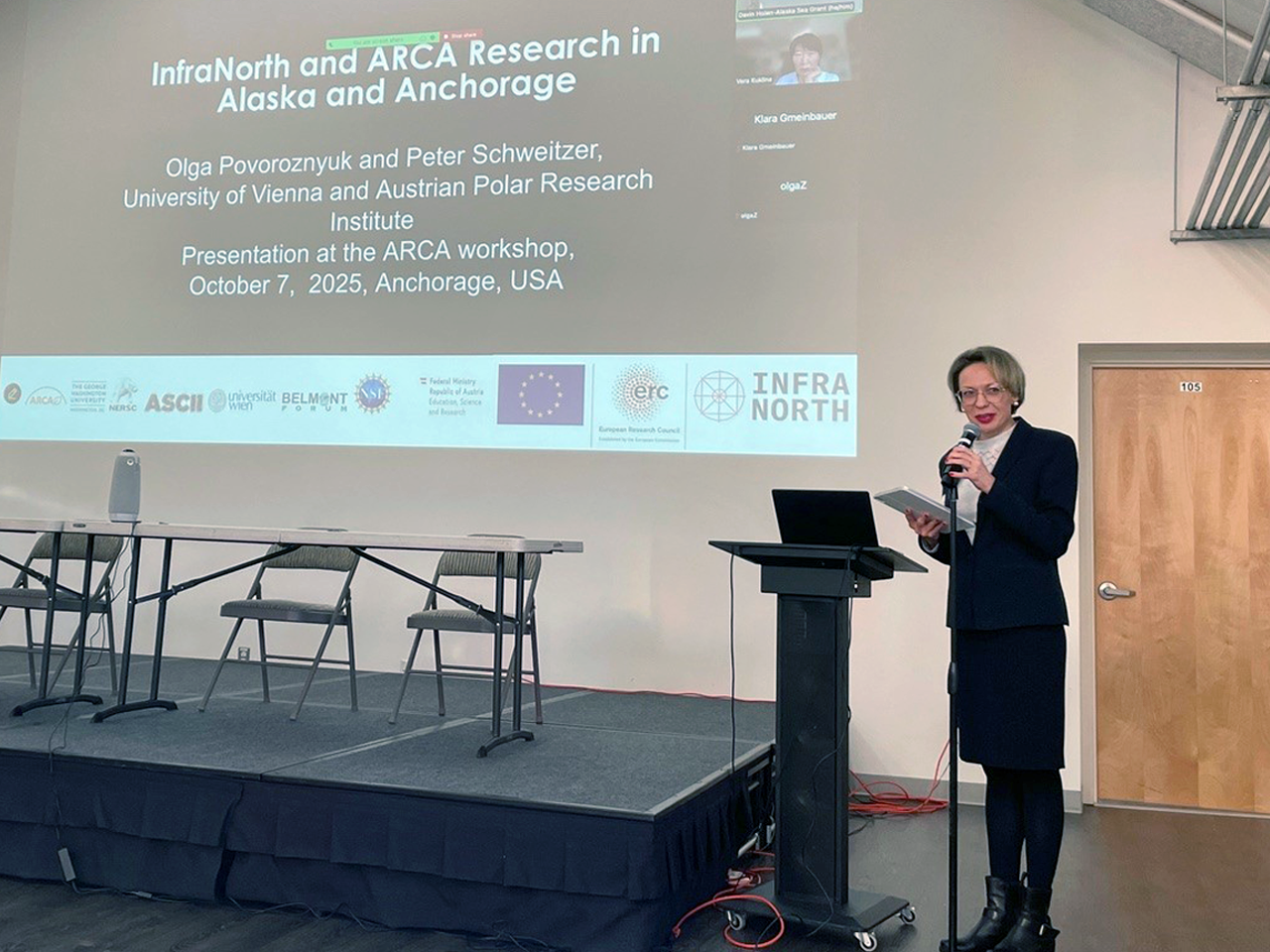
Olga Povoroznyuk presents findings from the InfraNorth project at the ARCA co-creative community workshop “Biocultural Heritage and Climate Adaptation in Arctic Cities,” held on October 7–8, 2025, at The Nave in Anchorage, Alaska.
Olga Povoroznyuk presents findings from the InfraNorth project in Anchorage, Alaska.

Olga Povoroznyuk and Peter Schweitzer presented findings from the InfraNorth project at the ARCA co-creative community workshop “Biocultural Heritage and Climate Adaptation in Arctic Cities,” held on October 7–8, 2025, at The Nave in Anchorage, Alaska. Their presentation drew connections between their recent research conducted in Anchorage and other field sites in Alaska: on the one hand, examining whether and how existing and planned transport infrastructures sustain the living conditions of Arctic communities, and on the other, exploring how biocultural heritage embodied in Arctic urban green spaces and natural landscapes can serve as a resource for climate adaptation.
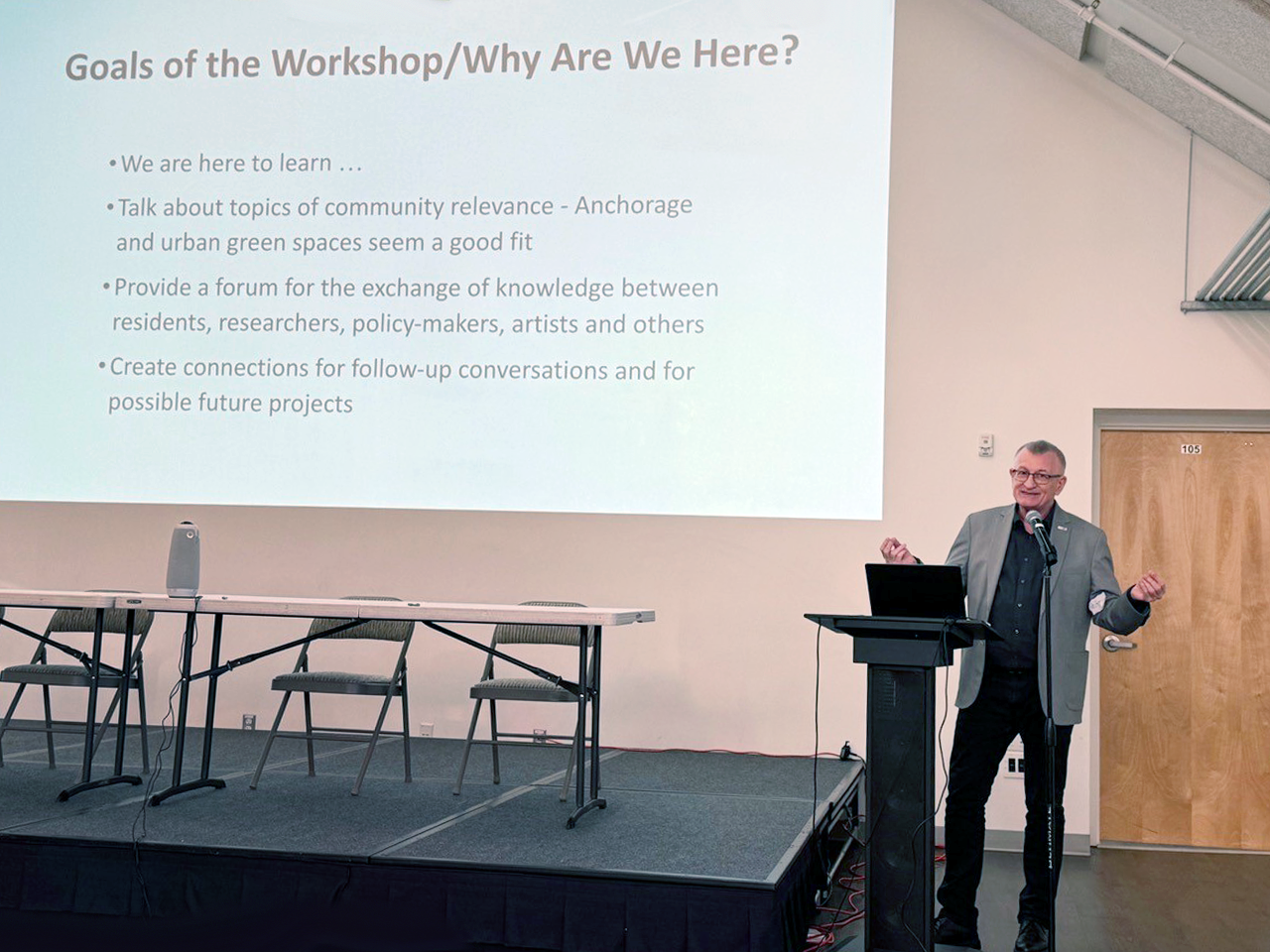
Peter Schweitzer presents findings from the InfraNorth project at the ARCA co-creative community workshop “Biocultural Heritage and Climate Adaptation in Arctic Cities,” held on October 7–8, 2025, at The Nave in Anchorage, Alaska.
Peter Schweitzer presents findings from the InfraNorth project in Anchorage, Alaska.

The ARCA (Arctic Urban Green Spaces and Climate Adaptation) project is a Belmont Forum consortium bringing together social and natural scientists and artists from George Washington University (USA), the University of Vienna (Austria), the Nansen Environmental Research Center (Norway) and the International Arts and Science Institute (France). The workshop brought together researchers, museum professionals, and practitioners from education, urban planning, housing, transportation and the arts. It aimed to engage local and Indigenous communities in public discussions and collaborative art-making around the role of natural and cultural heritage (particularly urban green spaces and infrastructure) in climate adaptation.
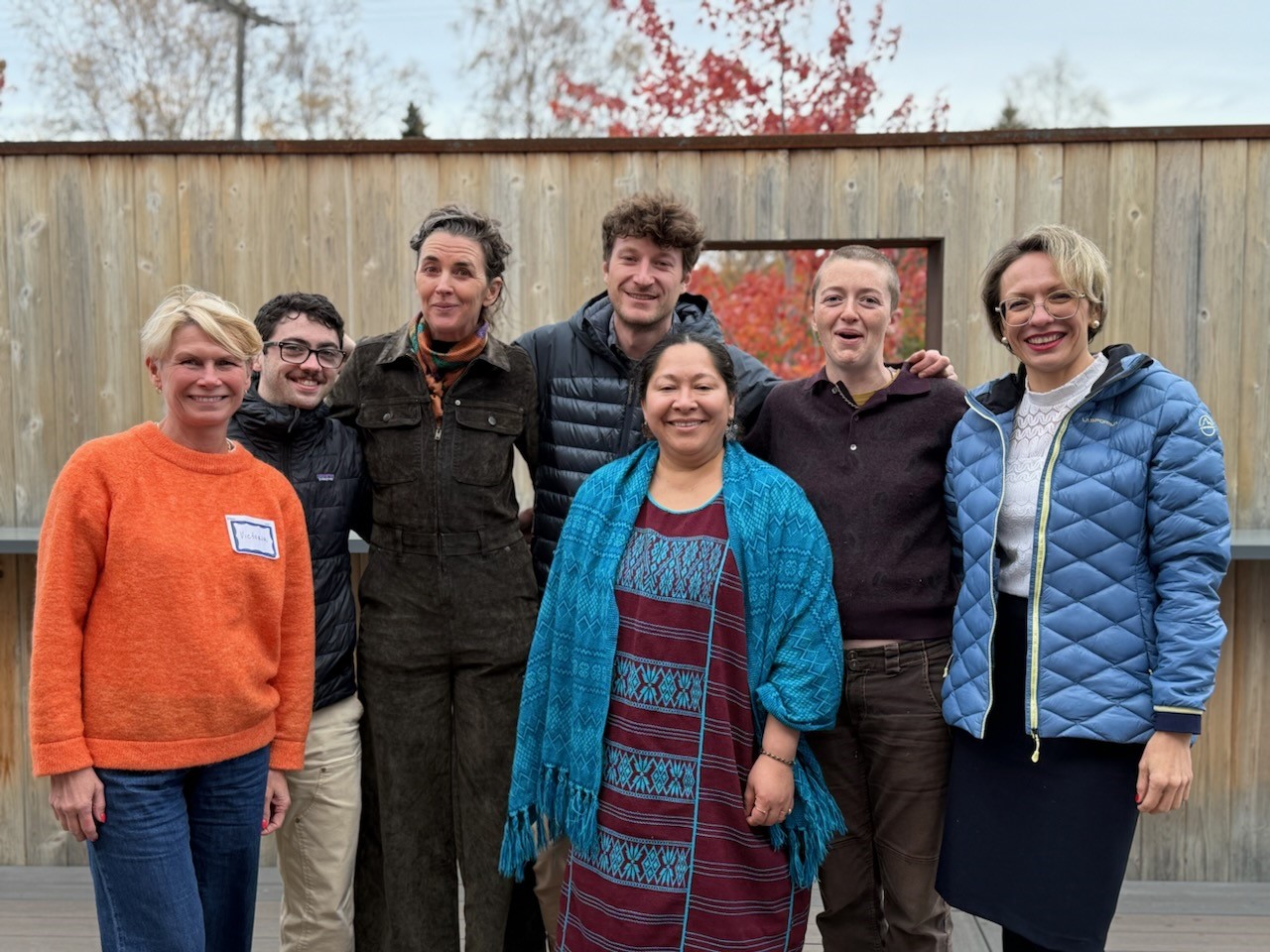
Group picture at the ARCA co-creative community workshop in Anchorage, Alaska.
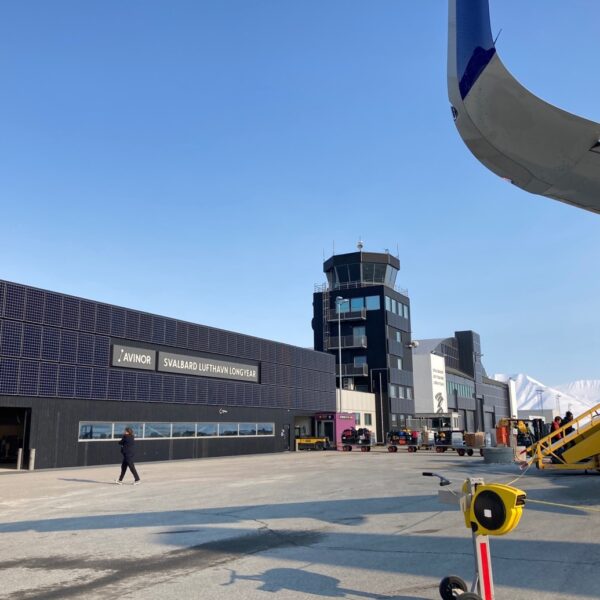
Svalbard Airport, Photo by Alexandra Meyer.

Mar 2026: Article by Alexandra Meyer in Polar Geography Special Issue

The quarterly peer-reviewed journal Polar Geography has published the article “Hyperconnected remoteness: the Svalbard airport and community transitions in Longyearbyen” by InfraNorth researcher Alexandra Meyer. The article examines the role of Svalbard Airport in shaping socio-economic transitions and everyday life in Longyearbyen, the largest settlement on the Svalbard archipelago. Drawing on long-term ethnographic fieldwork, complemented […]

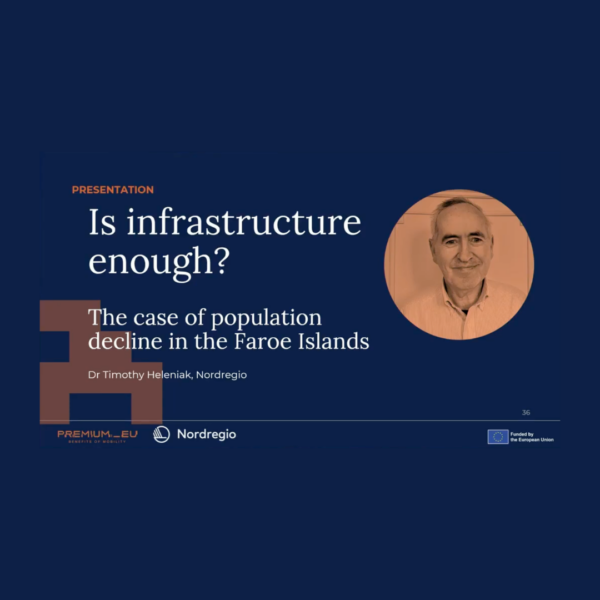
InfraNorth researcher Timothy Heleniak presented “Is infrastructure enough? The case of decline in the Faroe Islands” at the European Committee of the Regions (CoR) in Brussels.

Mar 10, 2026: Presentation by Timothy Heleniak at the European Committee of the Regions

On March 10, 2026, InfraNorth researcher Timothy Heleniak presented “Is infrastructure enough? The case of decline in the Faroe Islands” at the concluding conference of the Horizon Europe-funded project PREMIUM_EU. The event was organized by Nordregio and hosted by the European Committee of the Regions in Brussels and live-streamed online. In this talk, Heleniak presented […]

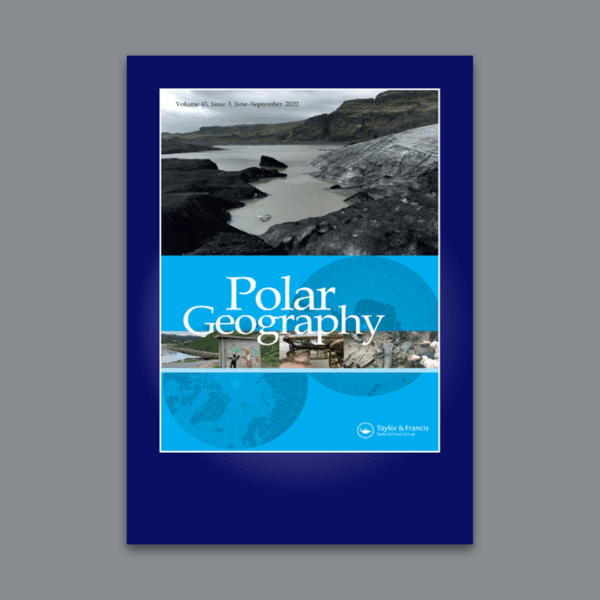
Cover of the Polar Geography journal.

Feb 2026: Article by Susan Vanek in Polar Geography Special Issue

The quarterly peer-reviewed journal Polar Geography has published the article “2200 meters: infrastructure, the future, and the politics of belonging in Greenland and the Arctic” by InfraNorth associate researcher Susan Vanek. The article examines Greenland’s airport expansion project, following its approval in 2015 by Naalakkersuisut (the Government of Greenland) as the largest investment in transportation […]