Dec 2025: Article by Olga Povoroznyuk in the Journal of Contemporary Ethnography

The Journal of Contemporary Ethnography recently published the article “Toward a Comparative Ethnography of Arctic Seaports Projects: Local Impacts of Expanding Maritime Infrastructure in Alaska, Norway, and Russia” by InfraNorth researcher Olga Povoroznyuk.
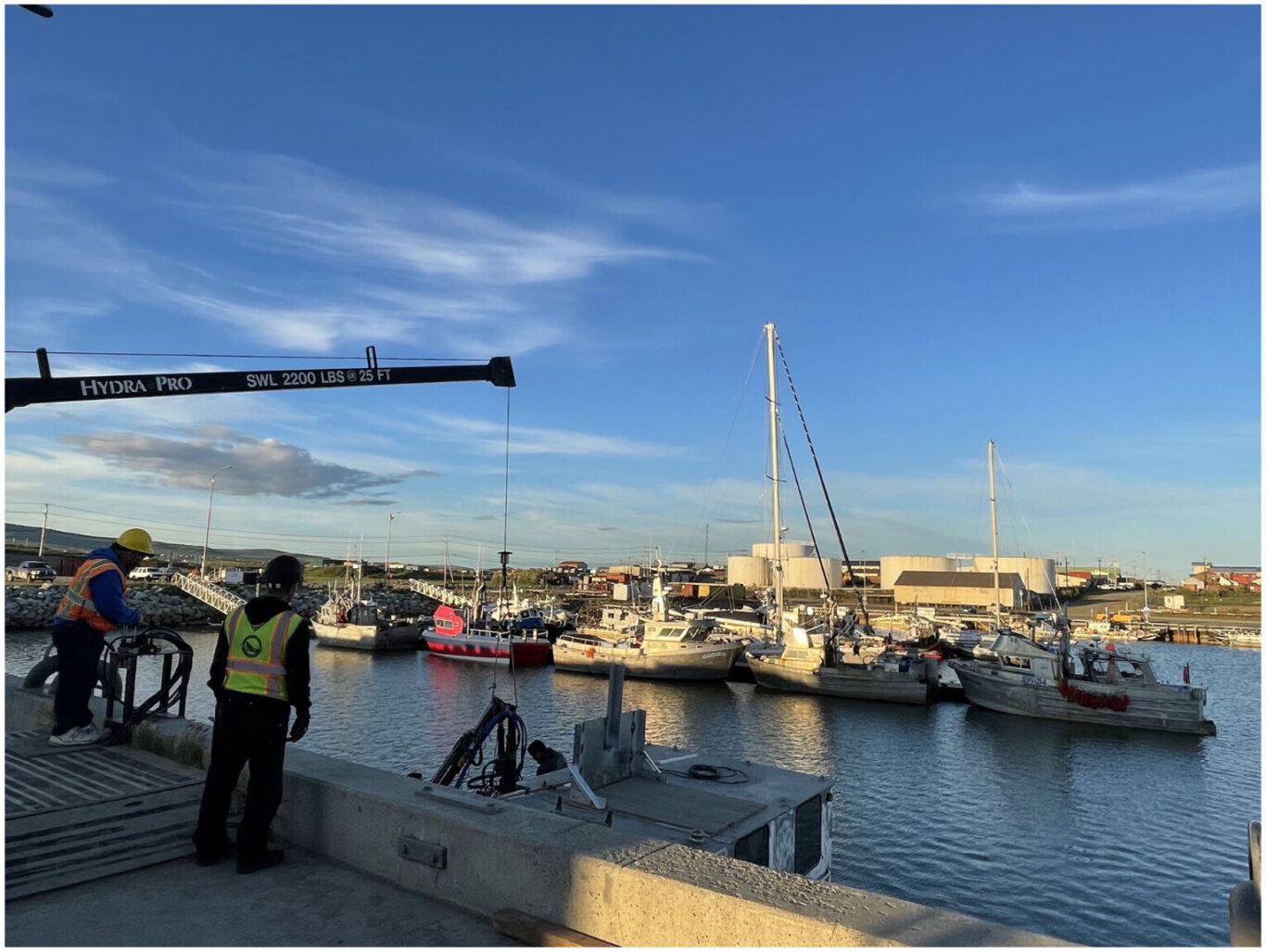
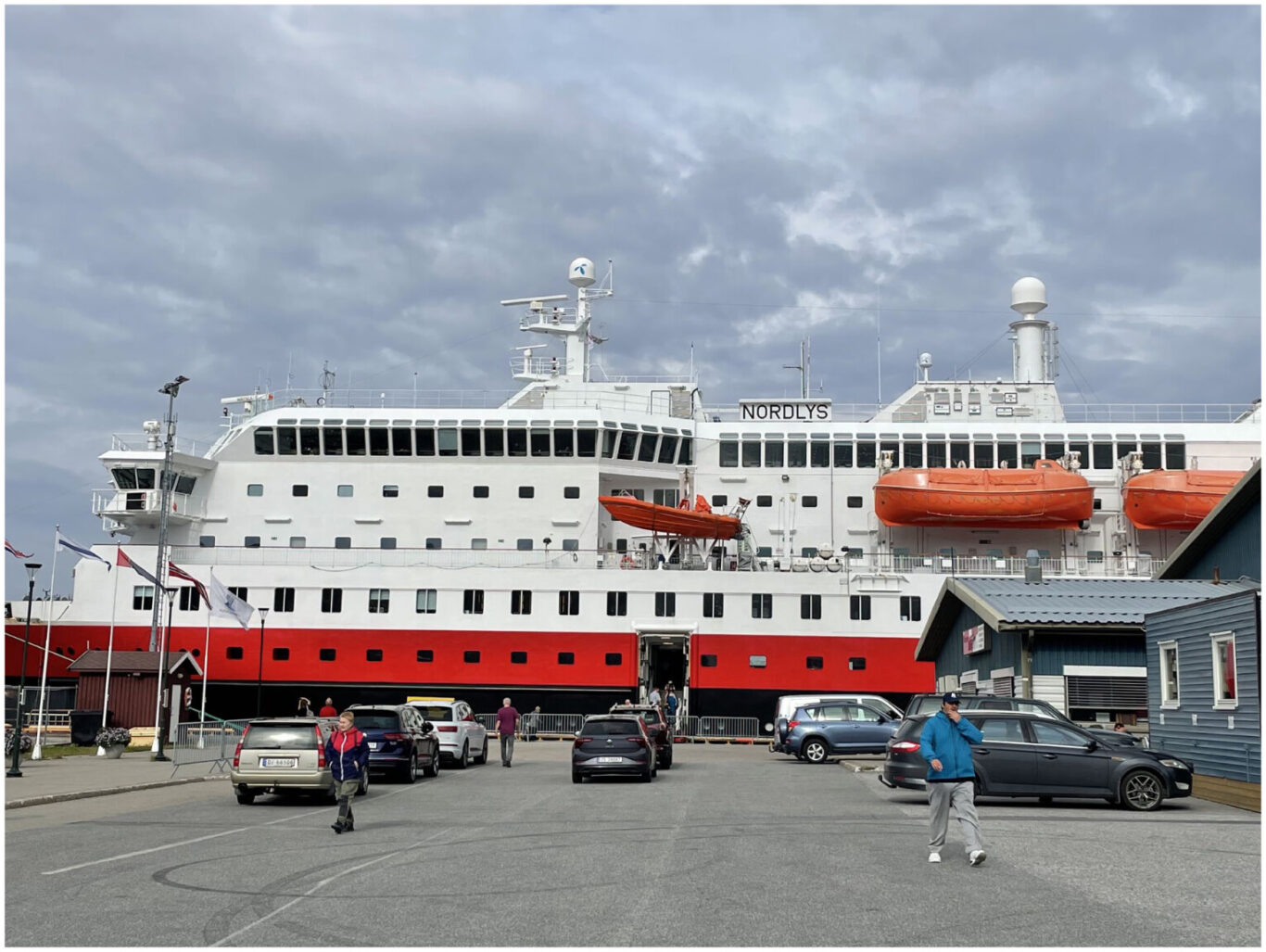
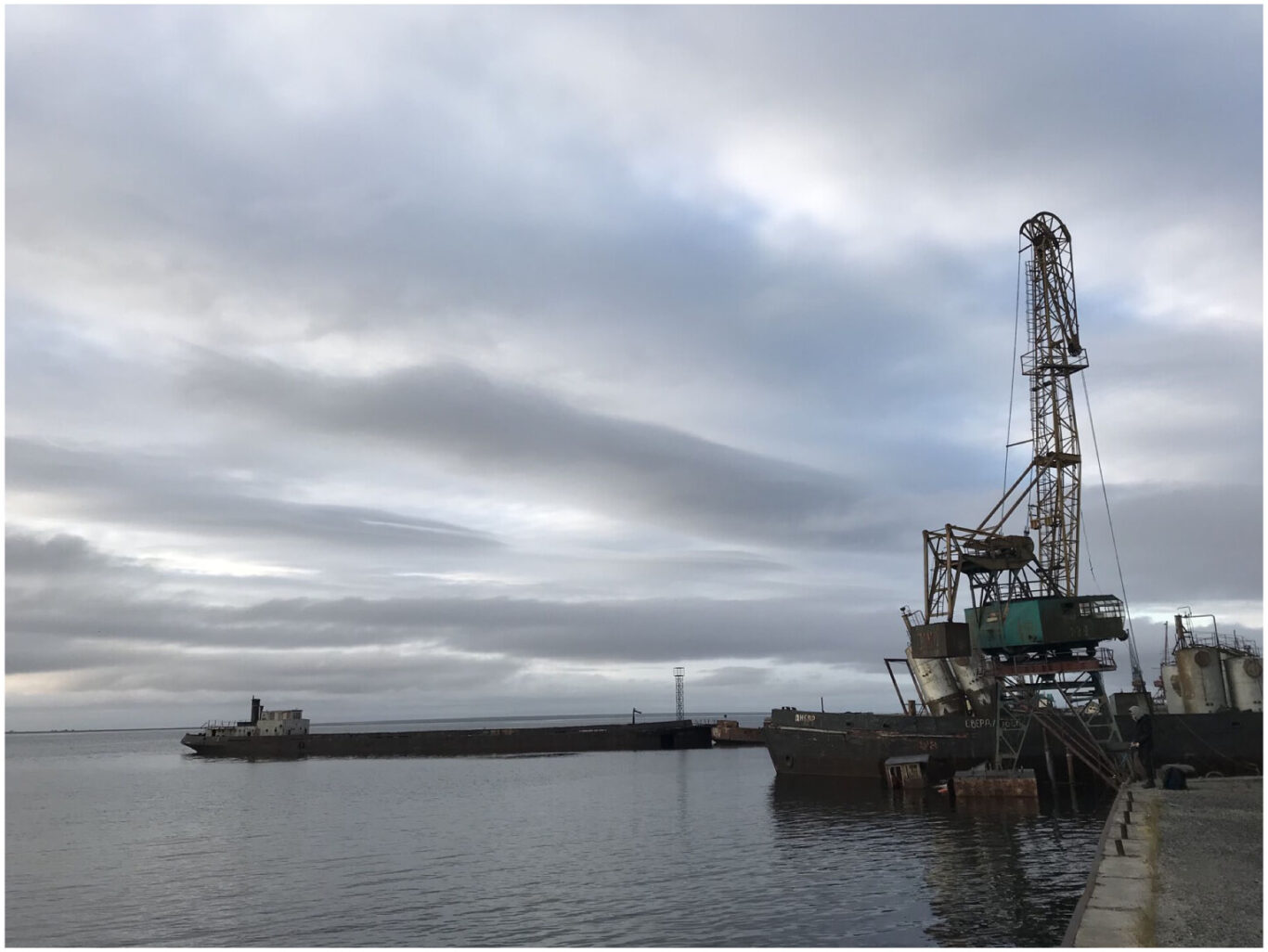
In this article, the author’s comparative ethnography focuses on suspended seaport expansion projects in three Arctic coastal communities: Nome (USA), Kirkenes (Norway), and Tiksi (Russia). All three projects are driven by similar development promises and geopolitical threats, enacting divergent national interests and producing diverse local impacts. While Nome and Kirkenes pursue commercial and tourism-oriented futures, Tiksi remains shaped by military and state-centric imperatives. Across all three cases, Indigenous and local perspectives reveal tensions between global infrastructure promises, national interests, and the lived experiences of marginalization, cultural disruption, and environmental risk.

The study conceptualizes infrastructure as a political and social process, arguing that suspended projects continue to generate emotional engagement and social mobilization. On a methodological level, the article underscores the value of comparative ethnography and infrastructuring across scales for critical inquiry into how globalizing maritime infrastructures produce local disengagement and disempowerment.

This article is available open access in the Journal of Contemporary Ethnography. It is part of the special issue “Ethnographies of Infrastructure” guest edited by Philipp Budka, Peter Schweitzer and Olga Povoroznyuk, which will be published in February 2026.
Jan 2026: InfraNorth Contributions to Forthcoming Book “Arctic Silk Roads”

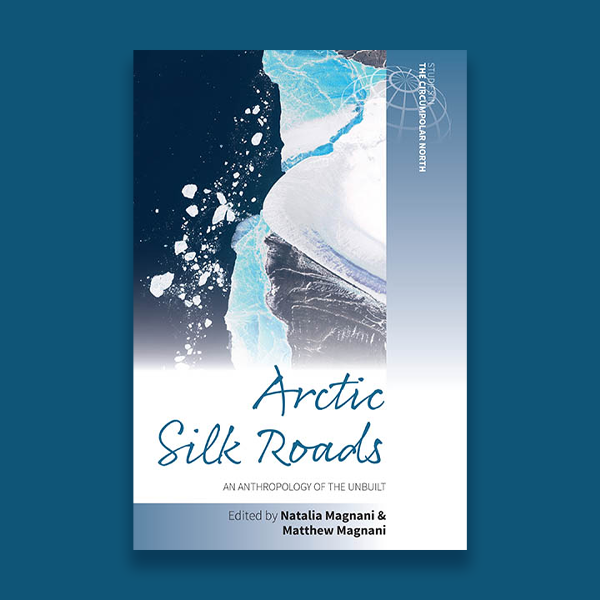
InfraNorth researchers contribute two chapters to the forthcoming book Arctic Silk Roads: An Anthropology of the Unbuilt, edited by Natalia Magnani and Matthew Magnani. The volume will be published by Berghahn Books in January 2026 as part of the Studies in the Circumpolar North series. As climate change accelerates, the melting of sea ice is […]

Dec 2025: Peter Schweitzer Interviewed on Austrian Public Radio Ö1

The Austrian public broadcaster Österreichischer Rundfunk (ORF) featured InfraNorth principal investigator Peter Schweitzer in an interview on its Ö1 weekend feuilleton “Diagonal” on December 6, 2025, which focused on the politics of infrastructure. Schweitzer appeared in a segment titled “A Silk Road Across the Arctic” (in German: Seidenstrasse über die Arktis), interviewed by Erich Klein […]

Journal of Contemporary Ethnography

Dec 2025: Forthcoming Special Issue of the Journal of Contemporary Ethnography

The forthcoming special issue “Ethnographies of Infrastructure” of the Journal of Contemporary Ethnography, guest edited by Philipp Budka, Peter Schweitzer, and Olga Povoroznyuk, is progressively being made available online ahead of the print edition, which will appear in February 2026. The introduction, authored by Schweitzer, Povoroznyuk, and Budka, is now available open-access. It presents the […]

Journal of Contemporary Ethnography

Dec 2025: Article by Peter Schweitzer, et al. in the Journal of Contemporary Ethnography

The Journal of Contemporary Ethnography has recently published the article “Scenarios and Ethnography: Infrastructural Futures as Windows into the Present” by Peter Schweitzer, Olga Povoroznyuk, Philipp Budka, Alexandra Meyer, Katrin Schmid, and Nikita Strelkovskii. This article reflects on two scenario workshops conducted in 2023 in Kirkenes, Norway, and Churchill, Canada, as part of the ERC […]

Journal of Contemporary Ethnography

Dec 2025: Article by Katrin Schmid in the Journal of Contemporary Ethnography

The Journal of Contemporary Ethnography has published the article “Amazon in the Arctic: E-Commerce, Infrastructure, and Alimentary Assemblages in Nunavut, Canada” by InfraNorth researcher Katrin Schmid. Since establishing a delivery hub in Iqaluit, Nunavut in 2020, Amazon.com, Inc. has become an essential resource for many Nunavut residents, providing affordable access to goods otherwise constrained by […]