Dec 2025: Article by Alexandra Meyer, Ria-Maria Adams and Sophie Elixhauser in the Journal of Contemporary Ethnography
The Journal of Contemporary Ethnography has recently published the article “Lifelines and Gateways: The Relational Affordances of Arctic Airports” by InfraNorth researchers Alexandra Meyer, Ria-Maria Adams and Sophie Elixhauser.
Airports are indispensable to life in the Arctic. Often shaped by geopolitical agendas and external economic interests, they provide vital links for local communities across remote landscapes. However, their societal roles have received limited scholarly attention. By conducting an ethnographic comparison of three cases, this study examines the relational affordances of Arctic airports.
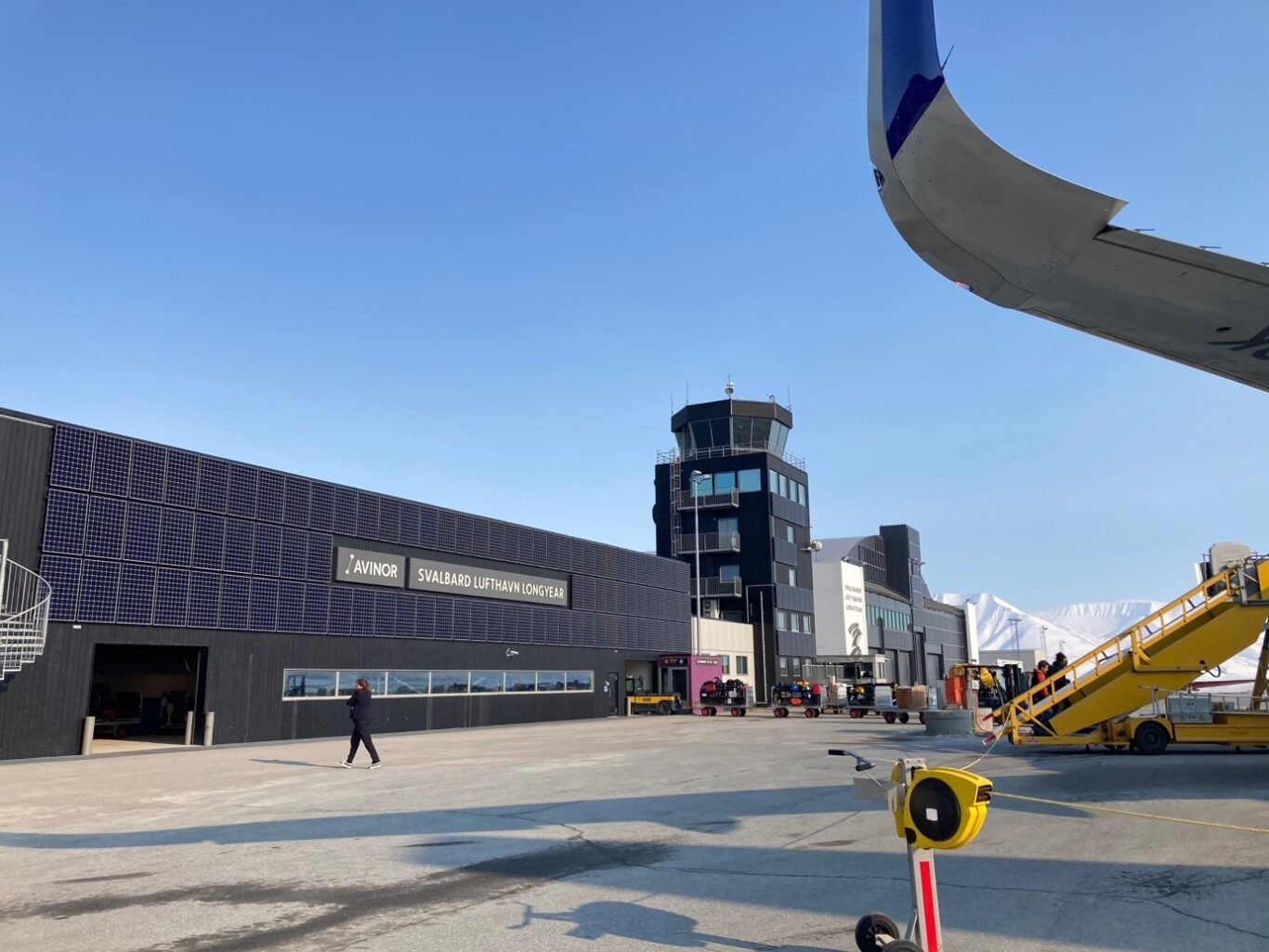
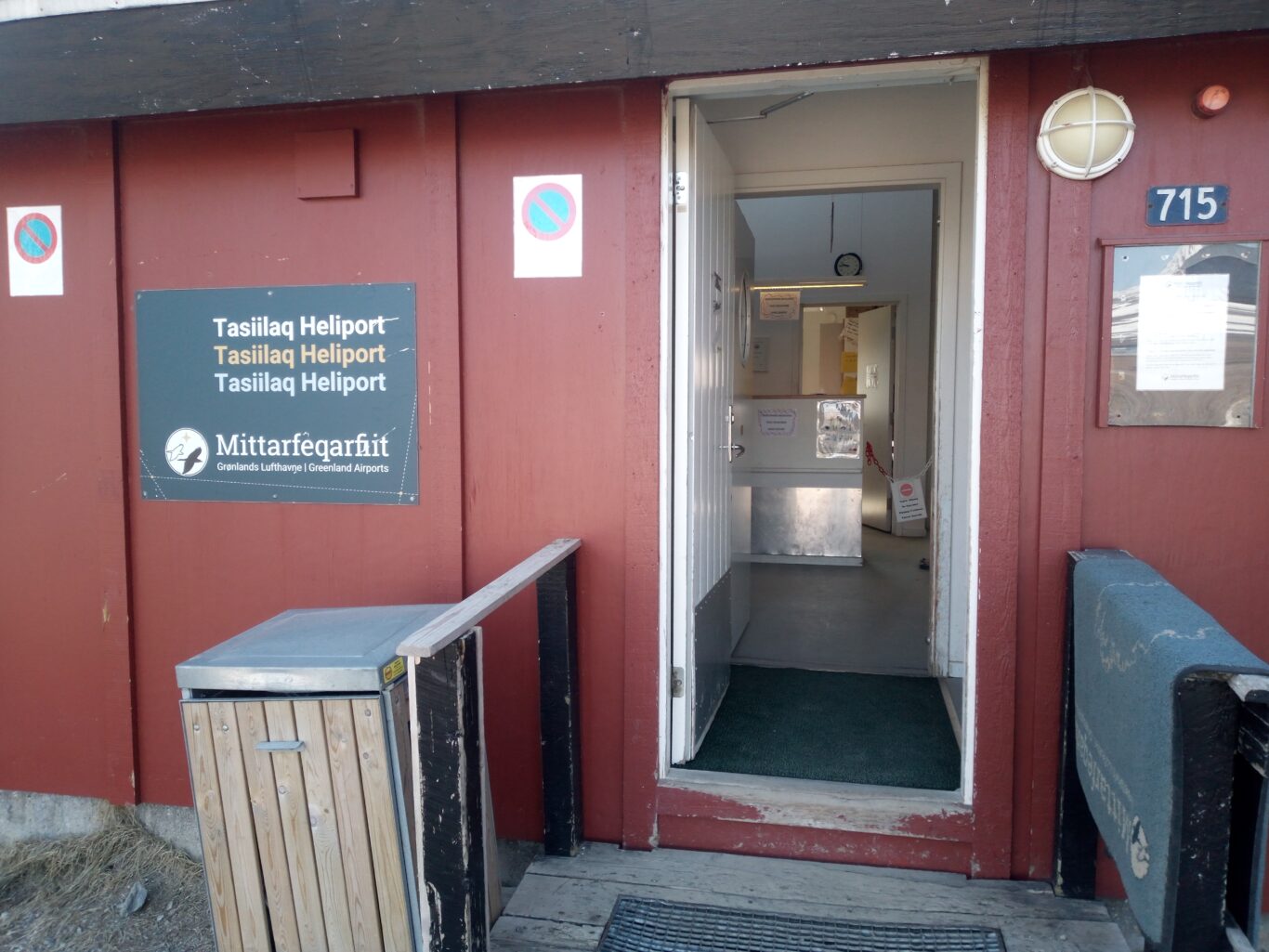
The authors’ case studies include Longyearbyen, which is extremely remote but well connected through its airport; Rovaniemi, a central Arctic hub with an international airport and a range of other transport infrastructure; and Tasiilaq, a region that currently does not (yet) have a well-working air connection. While the first towns are established Arctic tourism destinations, the last aspires to increase accessibility and thus tourist visits by establishing a more central airport.
Meyer, Adams and Elixhauser apply a relational framework that foregrounds the complex socio-material interactions through which infrastructures acquire meaning and function. Their study reveals how Arctic airports simultaneously afford mobility and essential services for residents, enable economic activities such as tourism, and serve broader state and strategic interests. The comparison enables them to capture not only the salient similarities but also the striking differences between Arctic airports according to their local socio-material and environmental contexts, the availability of alternative transport infrastructure, and broader political processes.
By centering airports’ relational affordances, this article advances anthropological understandings of Arctic infrastructures and calls for greater local participation in shaping future infrastructural development.
This article is available open access in the Journal of Contemporary Ethnography. It is part of the special issue “Ethnographies of Infrastructure” guest edited by Philipp Budka, Peter Schweitzer and Olga Povoroznyuk, which will be published in February 2026.