When Vehicles Fail: The Fragile Infrastructure of Arctic Mobility
By Elena Davydova, Ria-Maria Adams and Katrin Schmid
In the Arctic, a journey is as unpredictable as the weather. From Chukotka’s tundra to Scandinavian roads and Canadian backcountry trails, mobility is often interrupted by breakdowns, delays, and uncertainty. As three InfraNorth researchers working in different corners of the Arctic, we confronted remarkably similar challenges. This blog post reveals how each of us navigated different moments when our vehicles failed.
Stuck in the Chukotkan tundra
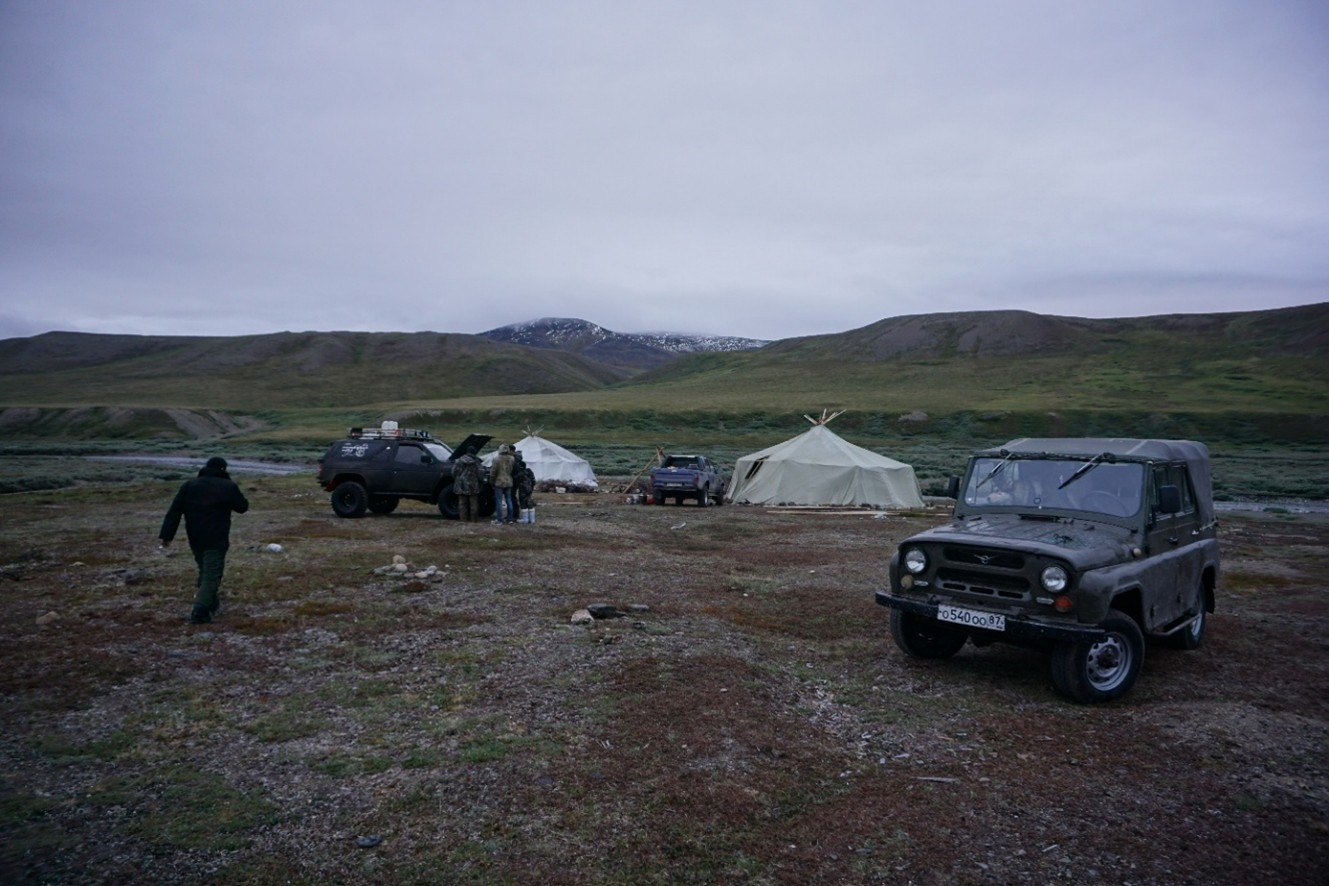
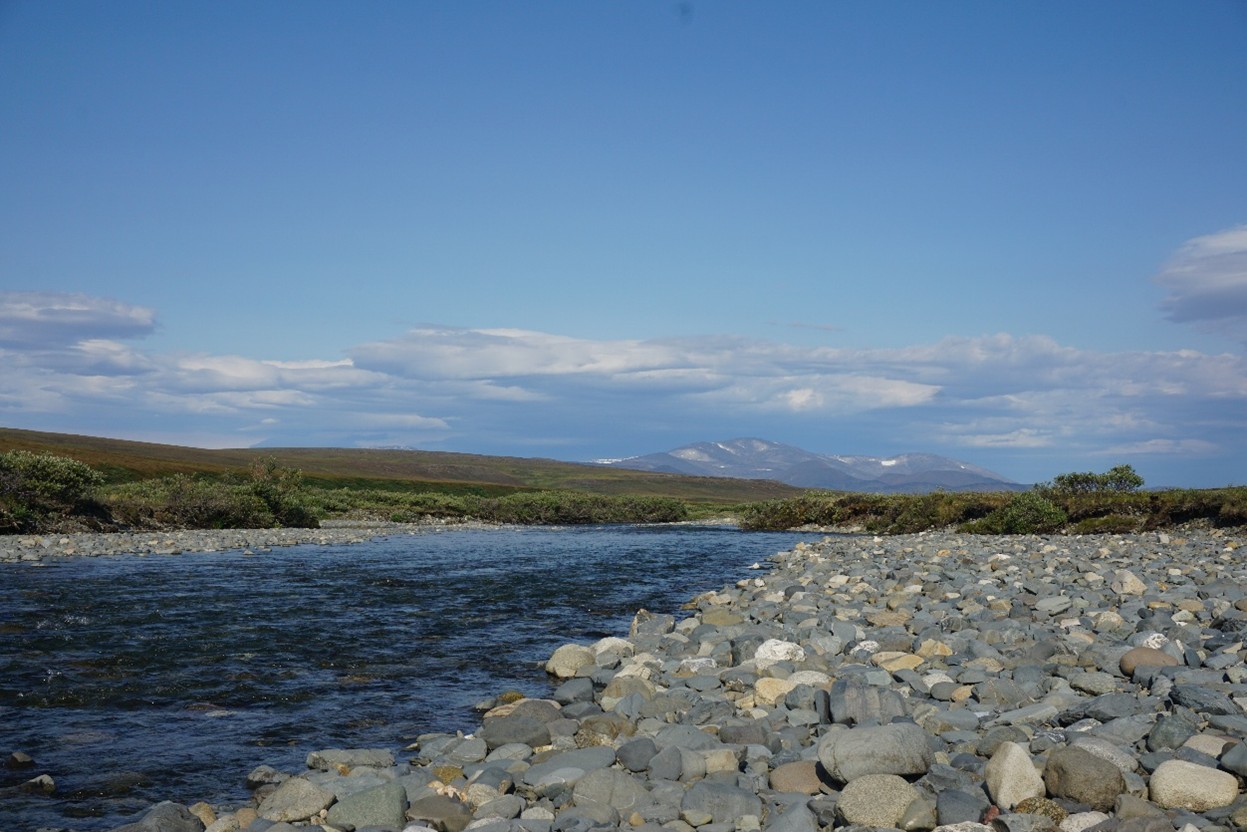
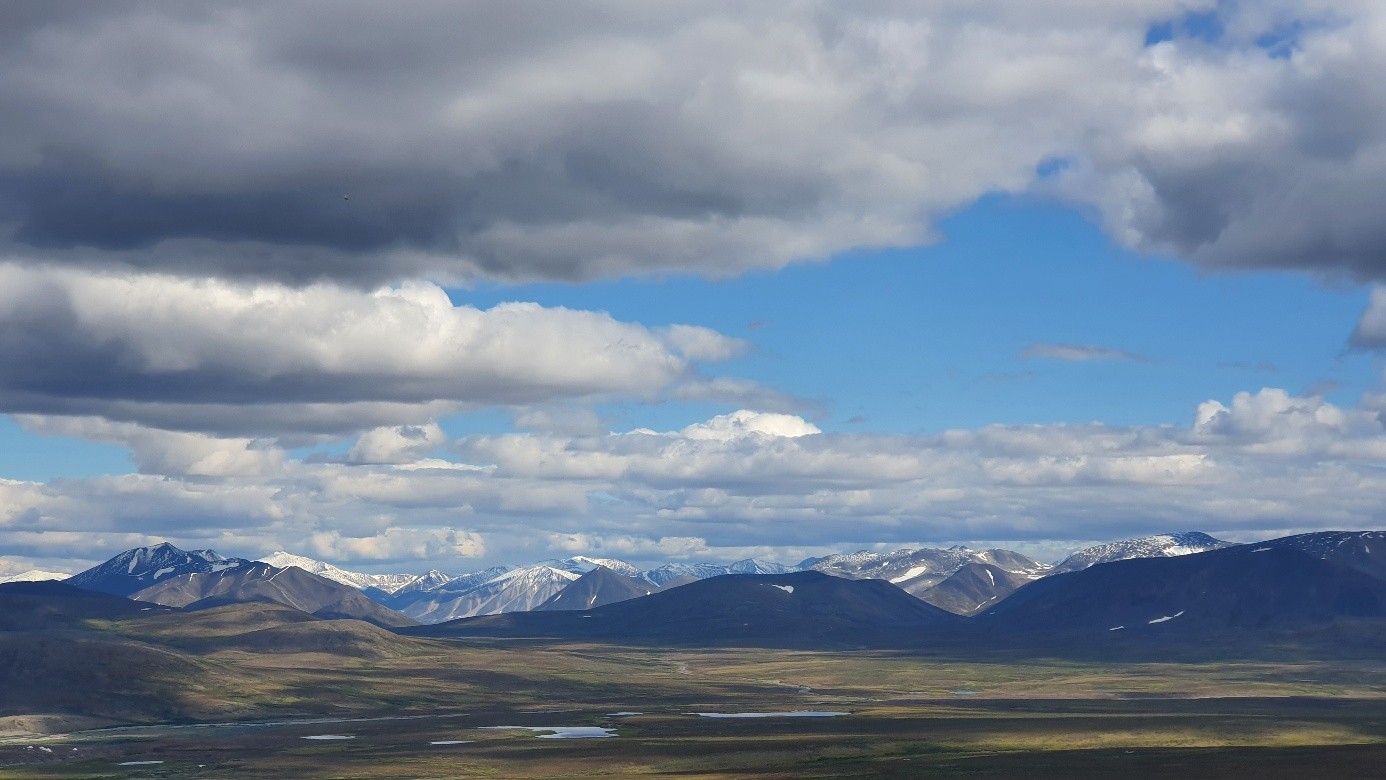
In August 2018, Elena and her family were travelling across the Chukotkan tundra, more than 150 kilometres from the nearest village, when the wheels of their Uazik [1] got stuck in swampy late-summer ground. Their driver, Vladimir, a former reindeer herder in his sixties, guided them toward a nomadic camp. With no satellite phone and darkness approaching, Elena felt an anxiety that grew with the cold and the memory of her informants’ stories of encounters with bears. Vladimir, however, responded with practised calm. He retrieved a guska (a metal fragment of a caterpillar track) and a shovel from the trunk, and carefully dug, cleared and positioned the metal under the wheel. After several attempts, the car lurched free, and the journey continued.
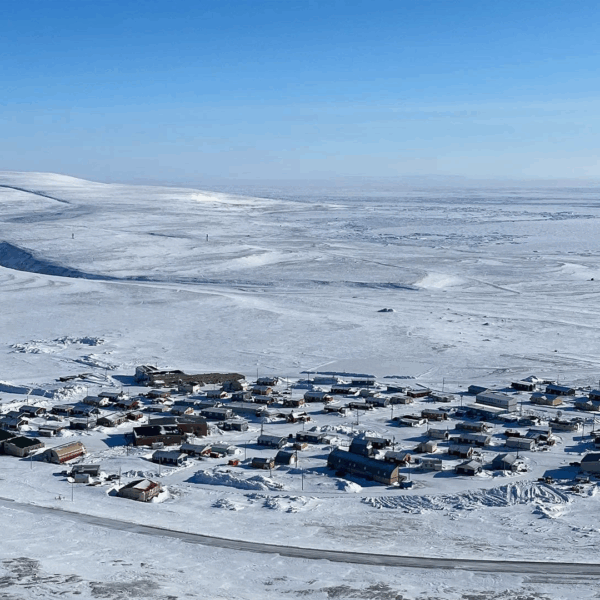
The episode was ordinary by Chukotkan standards, yet instructive. Locals accept that travel is unpredictable: vehicles break, weather shifts, routes vanish. Early ethnographies described the Chukchi as fatalistic, and Elena observed echoes of this attitude in her fieldwork. Yet fatalism coexists with a deeply cultivated relational autonomy: a readiness built on tools packed in advance, repair skills developed over a lifetime, and networks of communication that allow people to navigate sparse and hazardous terrain. Preparedness becomes not just equipment but a necessity. This becomes also visible during winter air travel, where local residents warn against removing warm fur coats, recalling stories in which survival after air crashes hinged on those layers.
Stranded on a Fennoscandian road
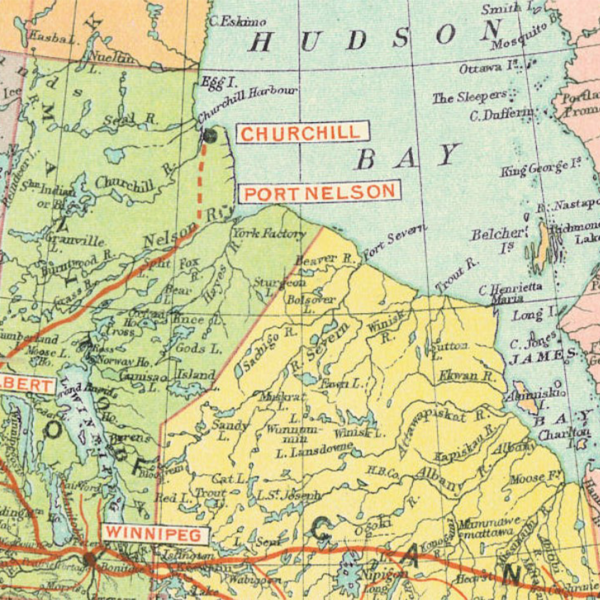
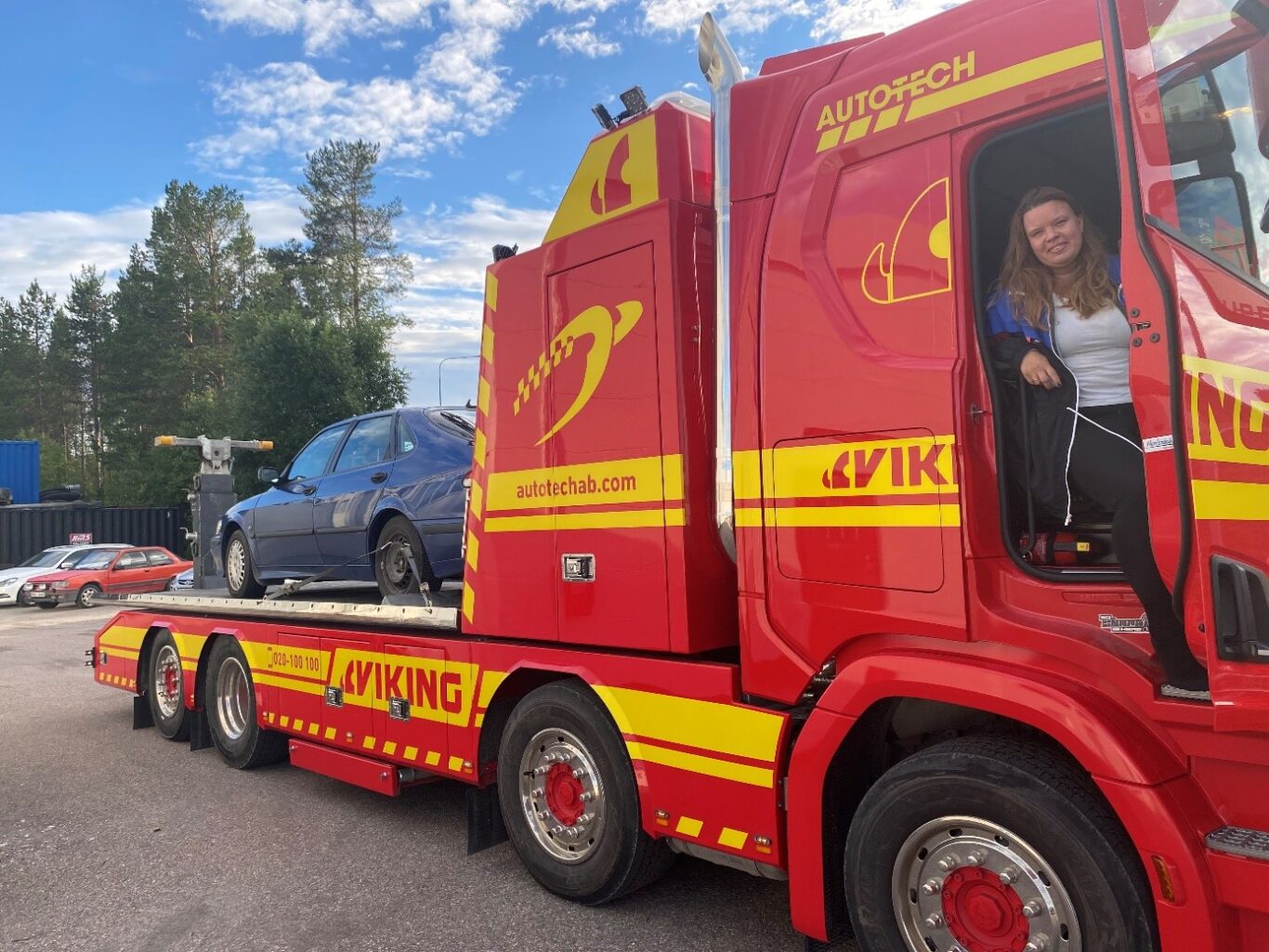
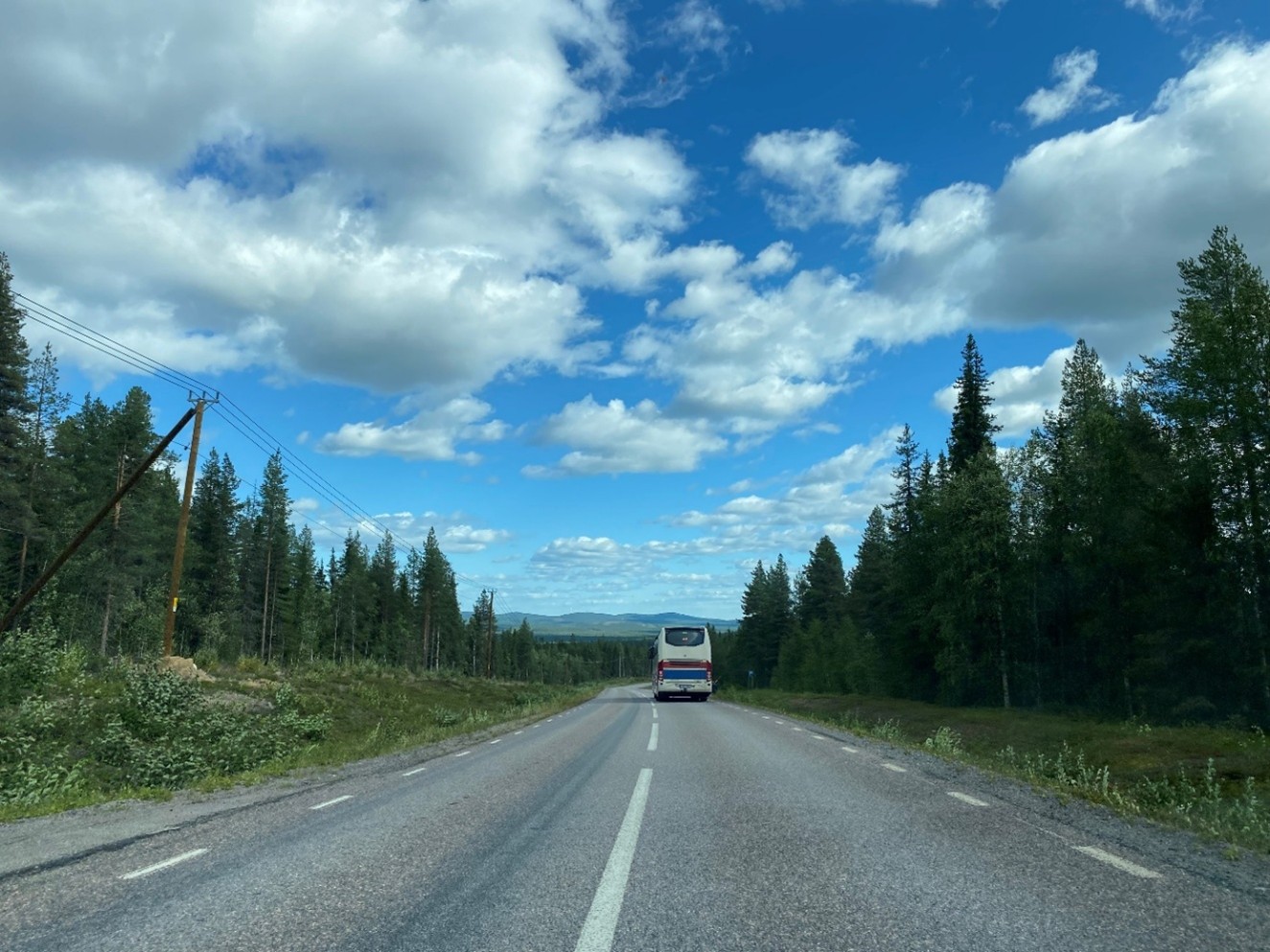
Thousands of kilometres away and years later, in July 2022, Ria encountered a different version of Arctic unpredictability. Travelling from Gällivare toward Finland, her old Saab began emitting black smoke and losing power along a highway frequented by heavy trucks. She managed to steer it into a roadside embayment—a small success that felt like its own kind of rescue. A phone call back home to Austria confirmed she needed a towing service. After several calls with insurance agents, a tow truck was arranged, and about two hours later it carried her to Gällivare, where the car was left at the nearest repair workshop, hoping it could be examined during Sweden’s busy holiday month. It soon became clear that the car could not be fixed immediately, and she would have to rely on public transport to continue.
It brought into focus a reality of Arctic travel: scarce infrastructure and the high cost of public travel. Accommodation in Gällivare was nearly impossible to secure, with hotels packed by mine and construction workers as well as seasonal travellers. Eventually, she found a basic single room for €180 a night, which gave her time to plan her onward journey, as reaching Finland on that same day was no longer possible. What should have been a 4.5-hour drive by car turned into a full day of travel: 7.5 hours of buses and a taxi, with uncertainty compounded by the knowledge that she would need to return to Sweden to retrieve her car and face a potentially hefty repair bill.
The challenge was not simply distance but coordination: northern public transit exists, yet its links are sparse and fragile. On top of everything, Ria discovered at the border that she had miscalculated the time-zone difference between Sweden and Finland, and the onward bus had already departed. She and another stranded traveller shared a taxi to Kemi, finally catching a bus toward Oulu. The journey succeeded, but only through improvisation, insurance and money.
Overheating on a Nunavut trail
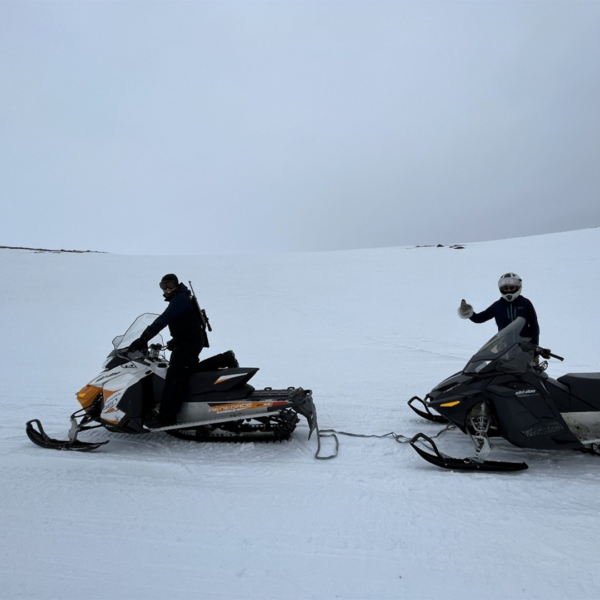
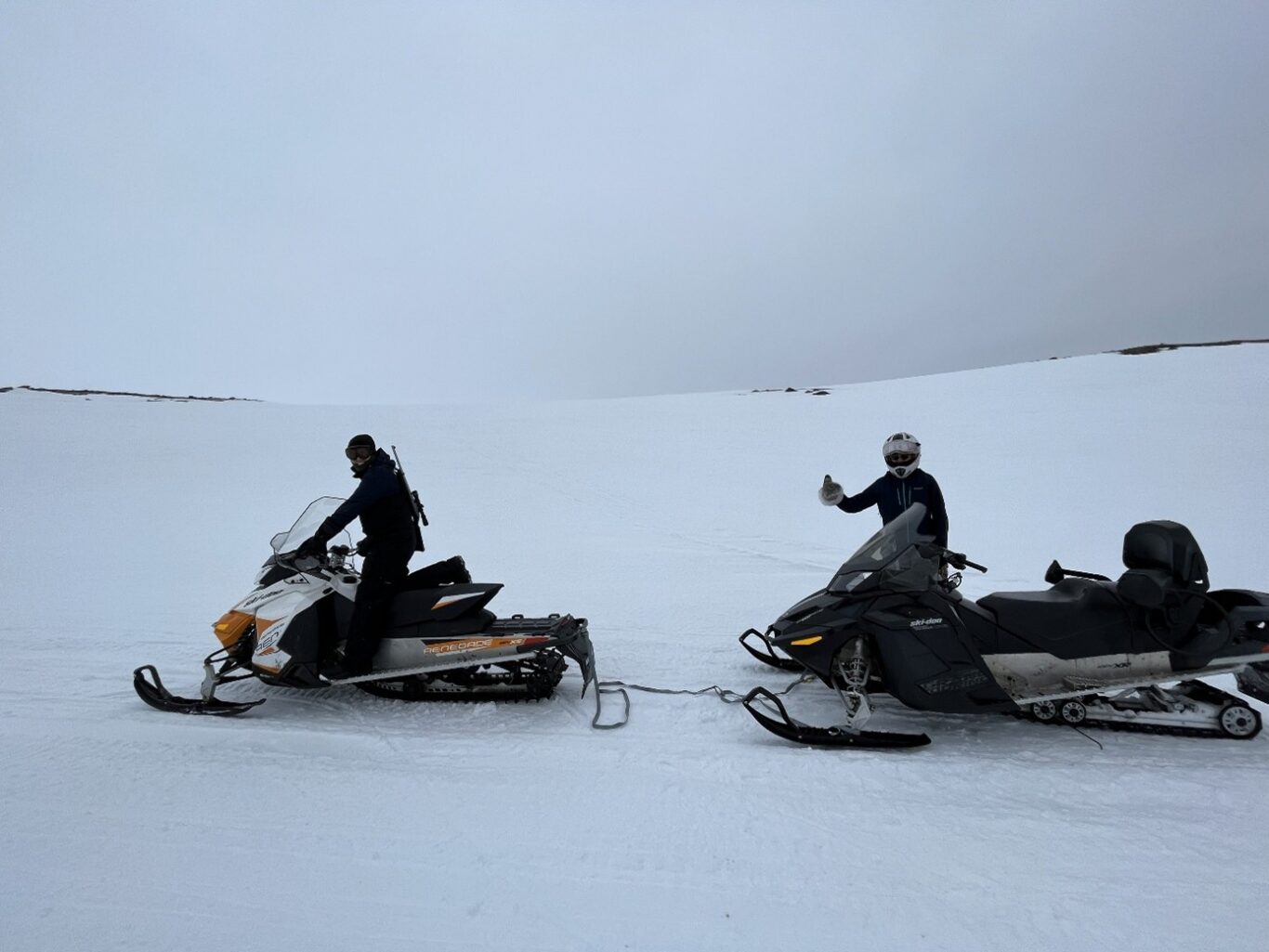
Less than a year later in May 2023, Katrin joined a group of friends for a spring snowmobile ride to a cabin outside of Iqaluit, Nunavut. Snowmobiles are crucial to mobility in the region both around town and on the land, often favoured over cars for their multipurpose use and flexibility. However, they can also be fickle, as they were made for snow conditions, but not specifically for the Arctic. Friendship, careful cooperation and relational autonomy saved the day when one older snowmobile started smoking in temperatures around a mild -15°C: the engine was overheating. The journey took much longer than anticipated due to the many stops the group made in the hope of allowing the engine to cool, and in an effort to fix whatever else may have been wrong. As daylight hours dwindled, a decision was made to not chance their luck any further. One snowmobile was attached to another by a tow-rope, and they began their slow ride home. Although the vehicle had broken down, the situation was not particularly severe: luckily, temperatures remained moderate, a moody daylight persisted thanks to the spring season, and the absence of larger wildlife was unsurprising due to their proximity to Iqaluit.
Networks of mutual reliance
Across all regions, breakdowns illuminate a common Arctic logic. Vehicles serve as companions as much as tools, and trust in them is always provisional. In Chukotka, some travellers deliberately choose older Russian snowmobiles such as Buran, not for reliability but for repairability. A “good driver” is someone who can fix their machine in isolation. Yet competence alone is insufficient. Communication networks (radio links among reindeer herders, relatives informed of itineraries, convoys of drivers who travel together) form an invisible infrastructure of safety.
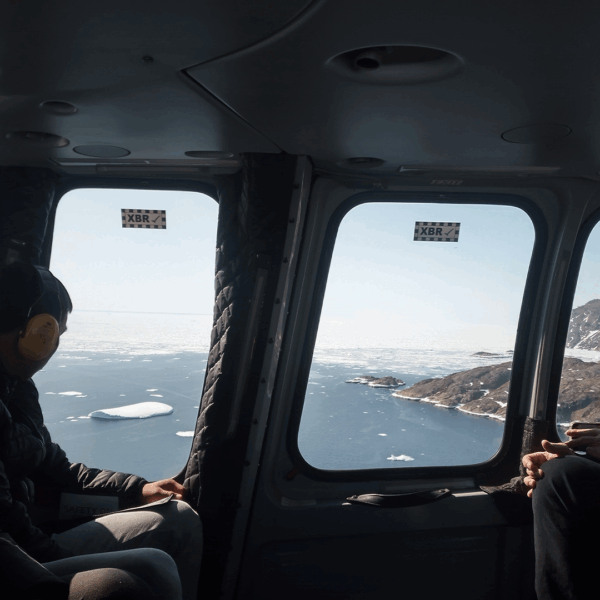
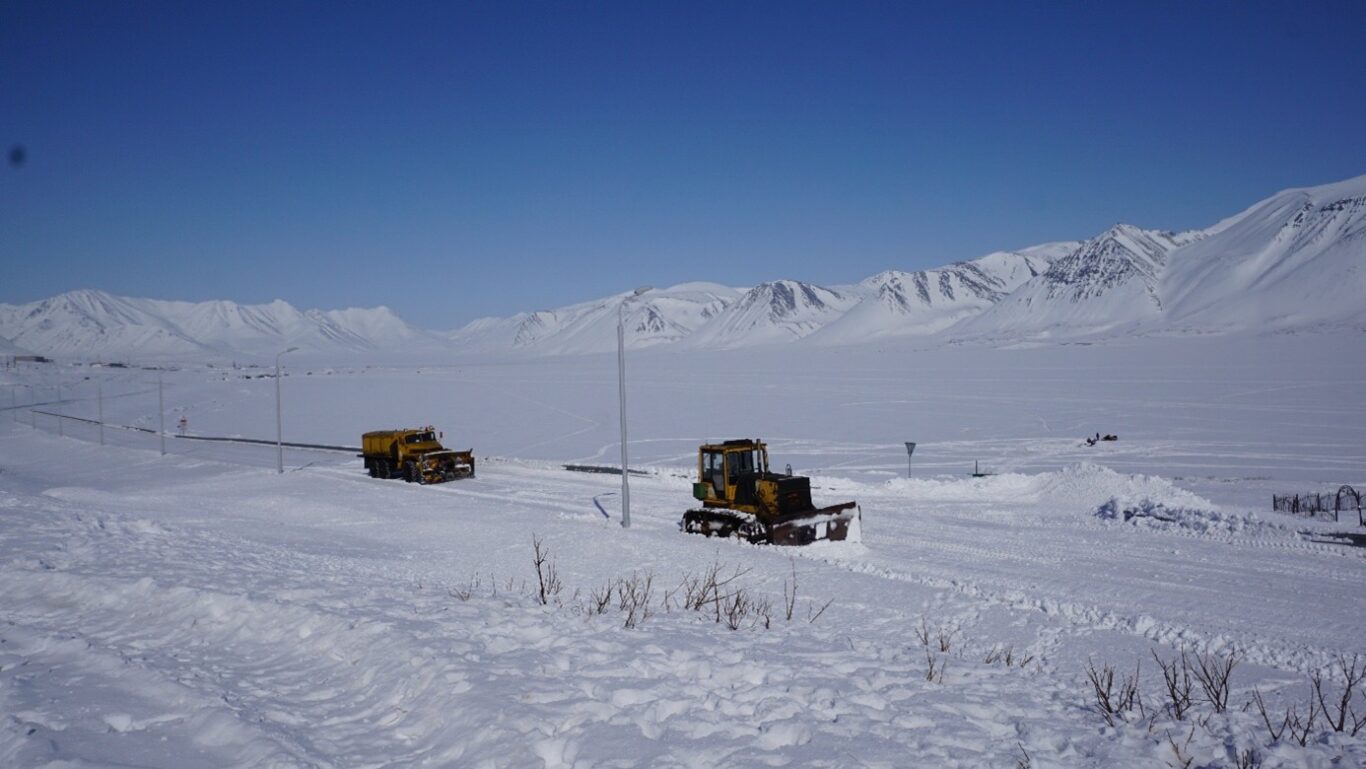
Elena witnessed this during a winter journey in 2023. A cautious taxi driver postponed their departure for days until conditions improved, informed his wife before and after the trip, checked with road maintenance crews, and coordinated with larger cargo vehicles so the smaller car could follow their tracks through snowed-in mountain passes. Here, autonomy is shaped by careful cooperation, as in Nunavut, where informing others before longer journeys is considered essential.
Ria’s experience exposes another dimension of Arctic interdependence: even in regions with paved roads, mobility depends on stitching together sparse public transport, timetables, and the kindness of strangers. The costs, which can range from financial, emotional to temporal dimensions, are felt especially by those without cars or savings to fix their mobility issues.
Together, our examples demonstrate that Arctic mobility is not merely transit. It is a negotiation with landscape, climate, technology and social networks. Preparedness takes many forms: a guska in a car trunk, a fur coat kept on during a flight, a friend or research interlocutor’s kindness to drive a stranded researcher across town, or an improvised taxi ride to the next rail link across a national border. These practices make mobility possible in regions where distances are long, services are few, and the consequences of immobility can be severe.
Travel in the Arctic reveals an infrastructure that is partly material and partly relational. One could almost say that it is built from spare parts and repair skills, from shared knowledge and stories of past mishaps, from the simple act of informing someone where you are going. This quiet infrastructure of care underpins movement across the circumpolar North. It shows that autonomy is not independence but a form of mutual reliance, sustained across snowy passes, tundra bogs, and long stretches of northern highway. In the end, Elena reached her reindeer herding camp safely, while Ria retrieved her car after two weeks—only a single loose cable needed reattaching, at a cost of €150. Katrin and her friends made it home in one piece and while the snowmobile was repaired repeatedly, it was eventually retired, a newer model in its place.
[1] UAZ is the abbreviation for Ulyanovsk Automobile Plant, which manufactures sport utility vehicles. Such a vehicle is commonly referred to as a “Uazik.”