North American Arctic
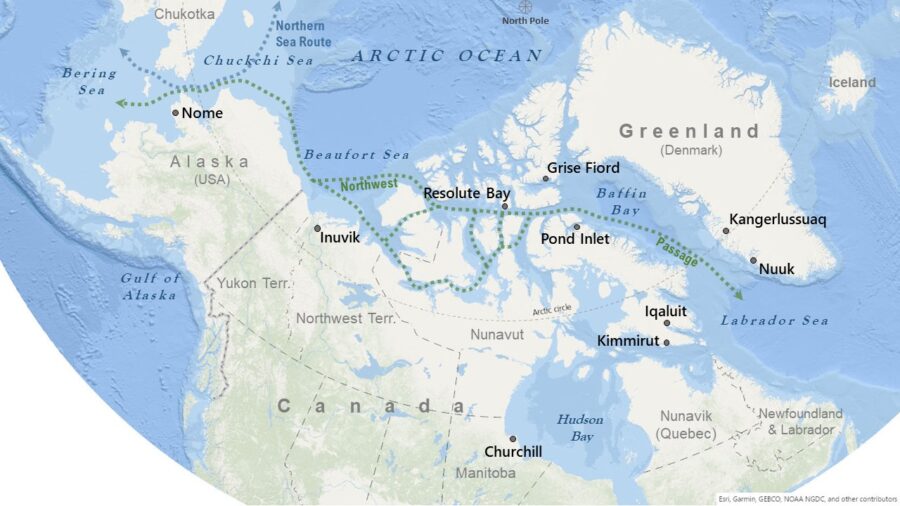
The North American Arctic study region comprised Alaska in the USA and Manitoba and Nunavut in Canada as well as cross-border connections to the Russian Arctic. While Alaska’s transport infrastructure is historically well-developed, infrastructure development in Northern Canada started comparatively late, with new transport infrastructure schemes surfacing all over the region; from maritime and road projects to the development of aviation and regional airport hubs. The latter being particularly important because of the remoteness and isolation of many communities in this study region. In exploring the affordances of transport infrastructures for local actors, the study region’s case studies asked how people engage with, use, and think about infrastructures; and how these perspectives relate to the imagined, planned, and actual sustainability of local communities. The following were our case study areas:
- The anchor point of the Alaska case study area was the regional transportation hub of Nome. At the time this research was carried out (2020-2025), the central infrastructure project in Nome concerned turning the existing seaport into a deep-water port. While the project had been approved, it was contested by some and ignored by others. We intended to work with Indigenous rights holders and local residents to understand the potential social, cultural, and environmental impacts of the project. At the same time, new geopolitical constellations added national and global dimensions to the sea port expansion and other infrastructure projects in the Nome area.
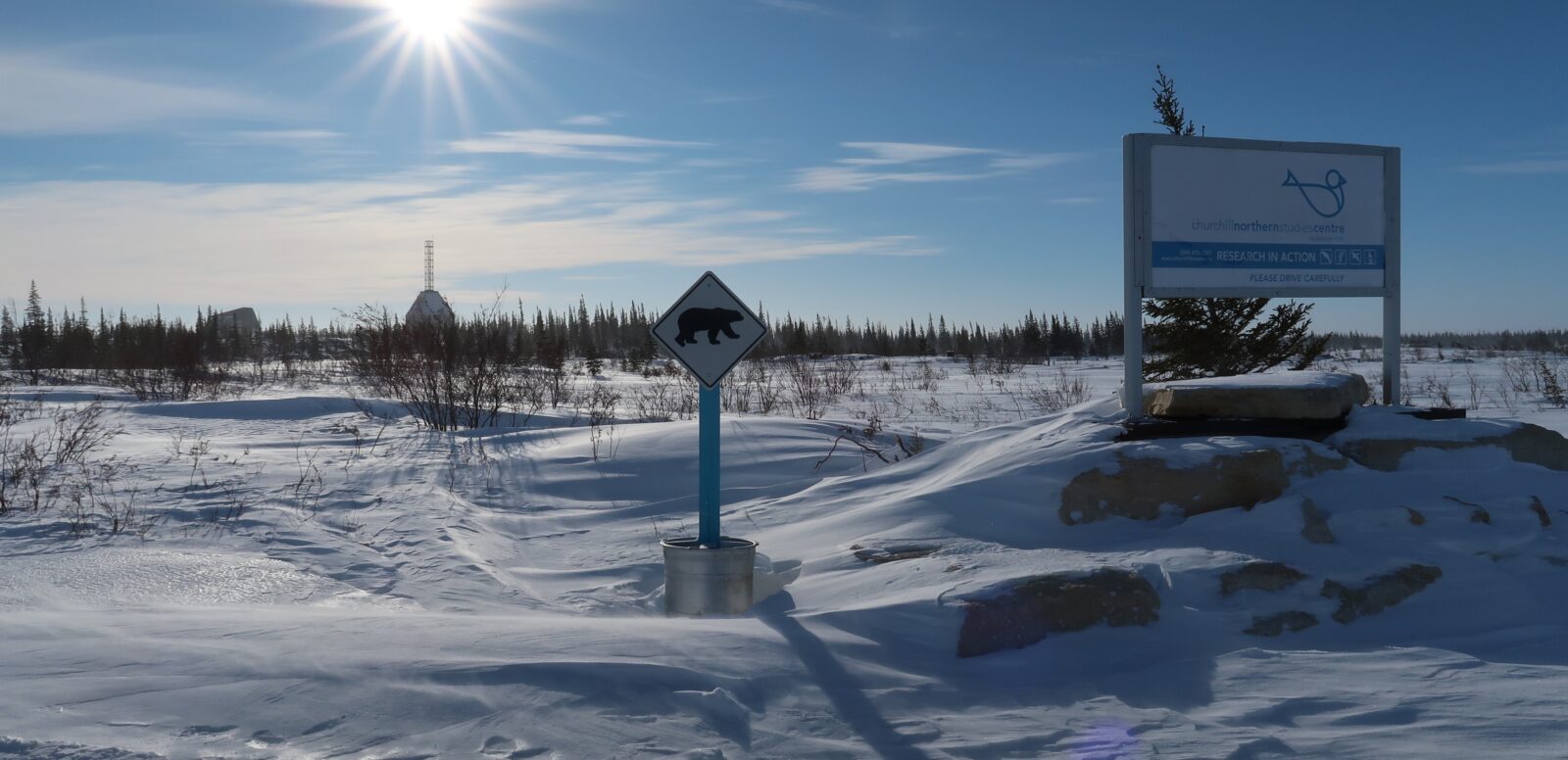
- The town of Churchill, which was the anchor point of the Manitoba case study area, is technically situated in the Subarctic. However, Churchill is unique in terms of transport infrastructure. The community, which is not accessible via roads, is home to Canada’s only deep-water port on the Arctic Ocean connected to the North American railway system. In addition, the town’s airport has become key for the growing tourism industry in the “Polar Bear Capital of the World”. This study explored the role of transport infrastructures in sustaining and transforming Churchill. In doing so, it focused on infrastructural entanglements, failures, and promises.
- The Nunavut case study area was anchored in Iqaluit, the territory’s capital, and included four other communities in the Qikiqtani region: Kimmirut, Pond Inlet, Resolute Bay and Grise Fiord. Iqaluit is a hub for both air and marine transportation and plays an important role in distribution and policy-making for the entire territory. Development and maintenance costs are high for Nunavut’s infrastructure, even that related to daily necessities like water, food, housing, or a regular income. This study examined how transport infrastructure is mobilized in Nunavut, focusing on infrastructure’s role in the efforts towards territorial food sovereignty.
- The Northwest Territories case study area was anchored in the Inuvialuit Settlement Region and the Gwich’in Settlement Area. The study examined the multifaceted impacts as well as the short- and mid-term consequences of the Inuvik-Tuktoyaktuk Highway (ITH) on (Indigenous) local communities. It centered around local perceptions of permafrost, wildlife, and fishing.